New Homes & Renovation

"How much is customization actually going to cost?" is probably the most anxiety-inducing question for every pre-sale homeowner before the quote lands in their inbox. Some people say customization saves money, others say the developer ripped them off — so who's right?
The answer: both are, depending on whether you actually understand the developer's pricing logic. This article breaks down pre-sale customization costs from every angle: how developers charge, how surcharges and credits offset each other, roughly what wall removal and door relocation cost, homeowner experiences pulled from Taiwan's PTT and Mobile01 forums, and finally, one key move that actually saves money.
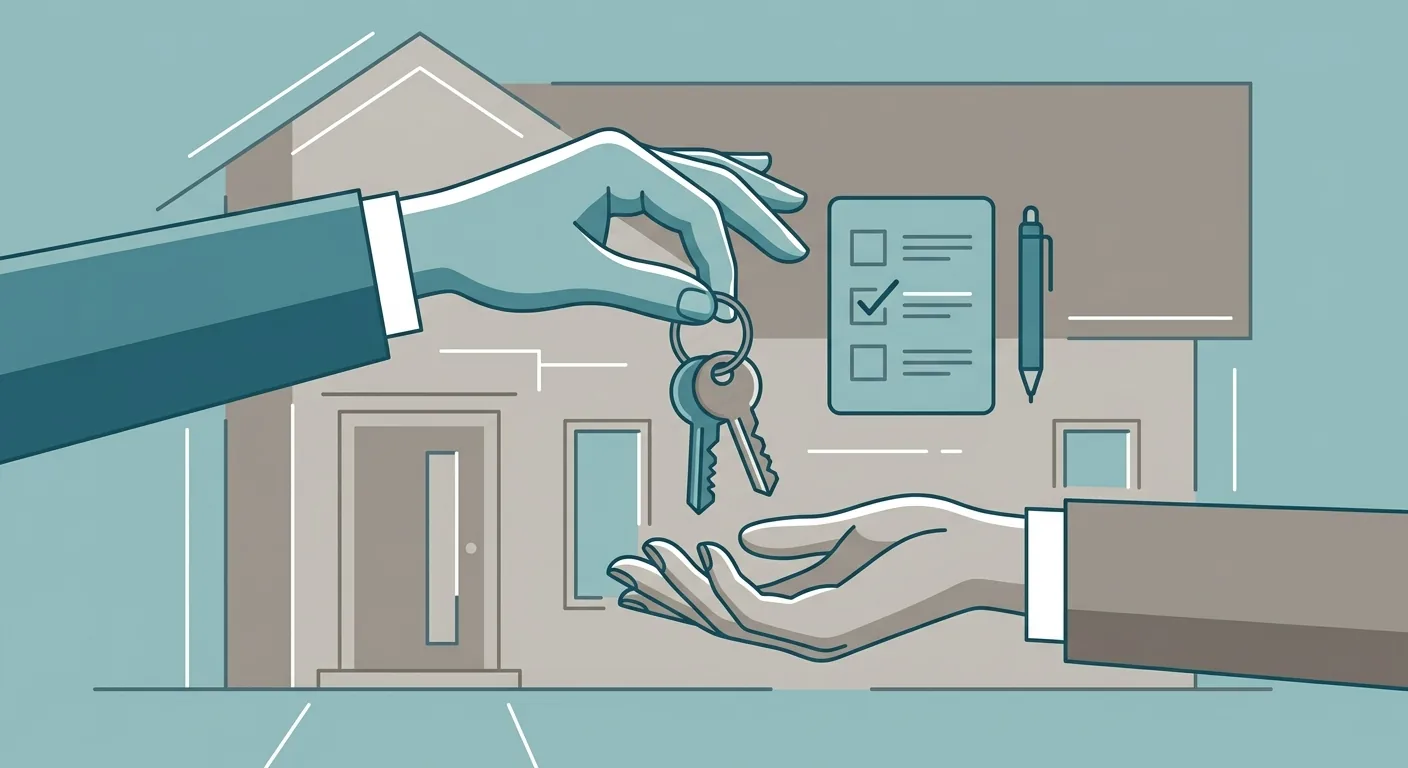
Caption: Pre-sale customization cost = developer's pricing × surcharge items − credits; the actual amount due only comes out once the two are offset
Key takeaway: Pre-sale customization cost is the net amount after offsetting surcharges against credits. Market rates for the actual work run roughly NT$4,000–12,000 per ping (about NT$1,200–3,600 per m²), with a consultation fee of roughly NT$1,000–3,000 per ping (HouseFeel); the amount varies by developer and item, so always check against your actual quote.
The most common way pre-sale customization is priced is by "floor area": actual customization work typically runs NT$4,000–12,000 per ping, plus a consultation fee of roughly NT$1,000–3,000 per ping (HouseFeel). That said, per-ping pricing is just one method — in practice it's usually blended with other pricing logic.
Developers commonly price customization using a mix of these methods:
The four most common surcharge categories are: partition changes, adding or removing outlets and switches, relocating utilities, and upgrading flooring or bathroom fixtures. These make up the bulk of your final bill.
Here's a distinction that's easy to confuse but important to separate: "customization cost" and "material upgrade price difference" are two different things. The former is the labor cost of changing the layout or utilities; the latter is the price difference you pay to swap the developer's included flooring for something better. Keep these separate when reviewing your quote, so the total doesn't shock you and you don't miss anything either.
We once reviewed a customization quote for a friend — the total looked alarming at first glance, but breaking it down revealed that half of it was actually material upgrade price difference, not real labor cost. So sorting your quote into categories matters more than rushing to negotiate the price down.
Your customization cost ultimately becomes part of your overall renovation budget. To fold it in alongside your soft furnishing, furniture, and appliances, use the renovation budget template to include your customization costs. For why developer fees vary so much and the full customization process and timeline, see The Complete Guide to Pre-Sale Customization Process and Timeline.
The core concept of customization boils down to one sentence: changes = surcharges, canceling something the developer was originally going to do = credits, and what you actually pay is the net of the two. The surcharge portion is paid by the homeowner, typically calculated as "materials + labor" plus a management fee, with the rate set by the developer — confirm it before signing. Don't just fixate on the surcharge column — credits can claw back a fair amount.
So how much do wall removal, door relocation, and utility moves actually cost? Honestly, there's no nationwide standard price — only relative rankings of high and low. Here's a relative-cost breakdown; the actual figures always follow your developer's quote and aren't fixed.
| Common Customization Item | Relative Cost | Why |
|---|---|---|
| Adding/removing outlets, switches | Relatively cheap | Priced per unit, low unit cost |
| Relocating a door, changing swing direction | Moderate | Involves light partitions and door frames |
| Removing/relocating a wall | Higher | Touches partitions — materials and labor both count |
| Relocating utilities | Higher | Rerouting pipes/wiring, hardest to change later |
| Bathroom/kitchen fixture and flooring upgrades | Depends on grade | Mostly material price differences |
There's a trap on the credit side you need to remember: a lot of credits look good on paper but don't amount to much in practice. Developers mostly only refund the wholesale price of materials, not the labor cost — commonly known as "material refund, no labor refund." And if the developer's original material grade was already low, the credit amount won't be much either. So before signing the change order, confirm the credit basis item by item — don't overestimate how much you'll get back.

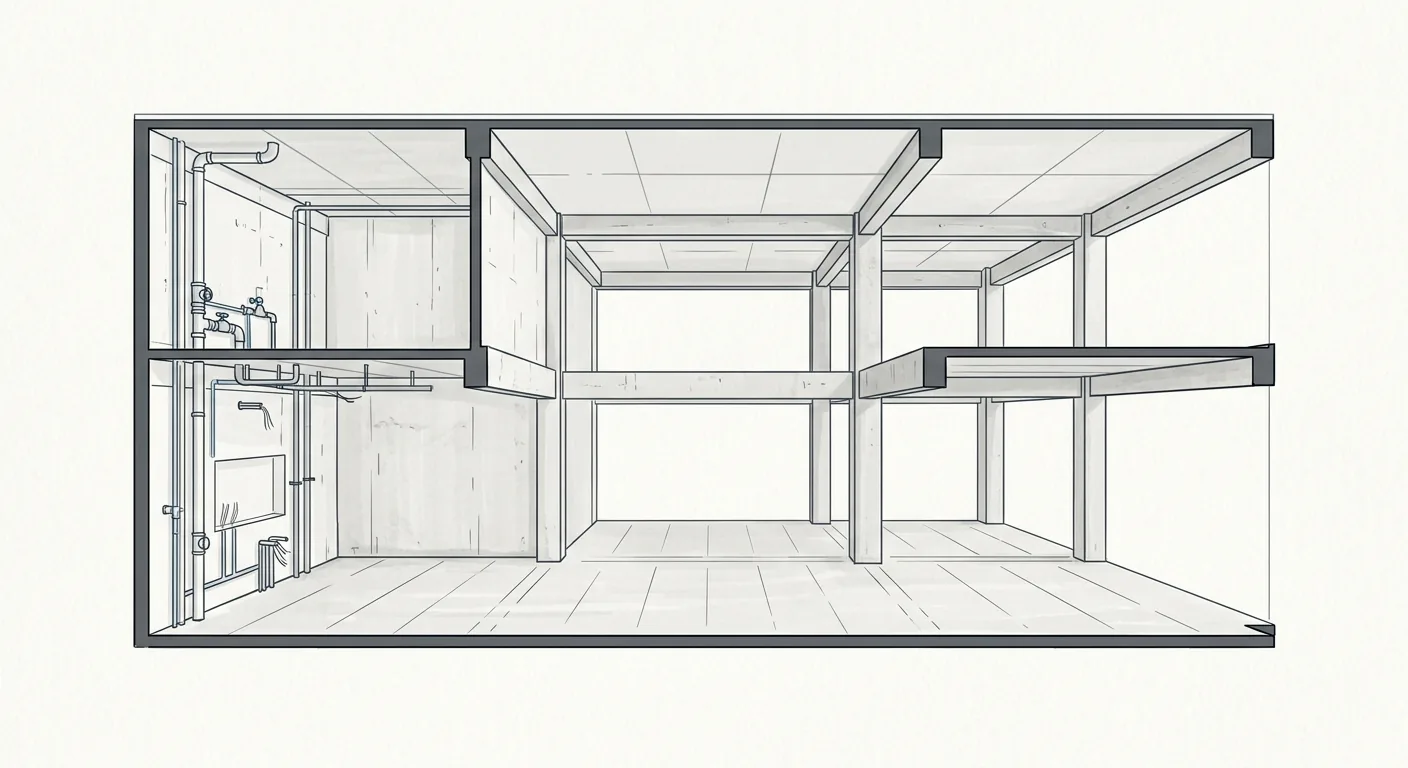
Caption: Surcharges (warm color) stack up item by item, credits (cool color) claw back some of it — the net of the two is what you actually pay; credits are mostly "material refund, no labor refund"
Homeowner discussions about pre-sale customization on Taiwan's forums converge on one consistent point: utility and wiring positions are the most worth locking in during customization. These are the hardest things to change later, and developers may also charge a construction management fee on top, with the rate set by the developer — confirm it before signing — so instead of tearing out walls and rerouting pipes after handover, it's better to get it right from the start.
Here's a summary of common homeowner takeaways, sorted into two buckets:
Most worth doing in customization:
Often considered a waste of money:
That said, keep in mind that forum experiences are personal accounts, not universal rules. Every developer opens up a different scope and prices things differently — what one person found worthwhile might not apply to your project at all. Forum information also has a shelf life, so make sure you're looking at recent discussions.
The list of things homeowners regret almost always shows up in every thread: outlets that should have been added but weren't, traffic flow that wasn't planned properly, layouts that turned out unworkable only after the change. Notice something? Almost all of these regrets trace back to "not having the furniture laid out clearly beforehand."
Going through a large volume of customization experience posts ourselves, the deepest takeaway was this: the regrets people share are highly repetitive, and nearly all of them point to the same root cause — decisions made too early, furniture placed far too late. Seeing the real dimensions up front would have avoided most of these regrets entirely.
If you're still weighing whether customization or post-handover renovation is the better value, the cost comparison for post-handover new build renovation can help you put both paths side by side. Once customization is done, handover comes next — Handover Process and Final Payment Notes is worth a read too, so you don't get caught off guard.
The key to saving on customization costs isn't haggling with the developer — it's only changing what genuinely needs to change. Under Taiwan Ministry of Interior regulations, developers may not substitute materials or fixtures under the guise of "equivalent products" (Ministry of the Interior Regulations System, 2023), so every change is billed in black and white — cutting out unnecessary changes is the most direct way to save money.
The problem is, how do you know what's "genuinely needed"? Hard to tell by imagination alone — easy once you have real dimensions to work with.
Here's how: import the developer's CAD floor plan (DXF file) into Roomfit, and place your actual furniture and appliances at true 1:1 scale. See clearly where things don't fit and which outlet would end up blocked by furniture first, then work backward to whether a wall really needs to move or an outlet really needs to be added.
We felt this firsthand the first time we tried it. We'd originally assumed we'd need to tear out a living-room wall to fit the sofa, but after dragging a 220cm sofa into place at 1:1 scale — with Roomfit automatically marking the walkway clearance — it turned out the sofa fit fine without touching the wall, saving an entire wall-removal surcharge. On the flip side, we caught that we'd left out an outlet by the headboard, and added it to the customization request just before the deadline.
Simulating with real dimensions before filing your customization request avoids two kinds of waste: adding a pile of changes based on gut feeling that end up unused, and missing something that should have been added and regretting it at handover. Every dollar of surcharge goes exactly where it should — that's what real savings look like.
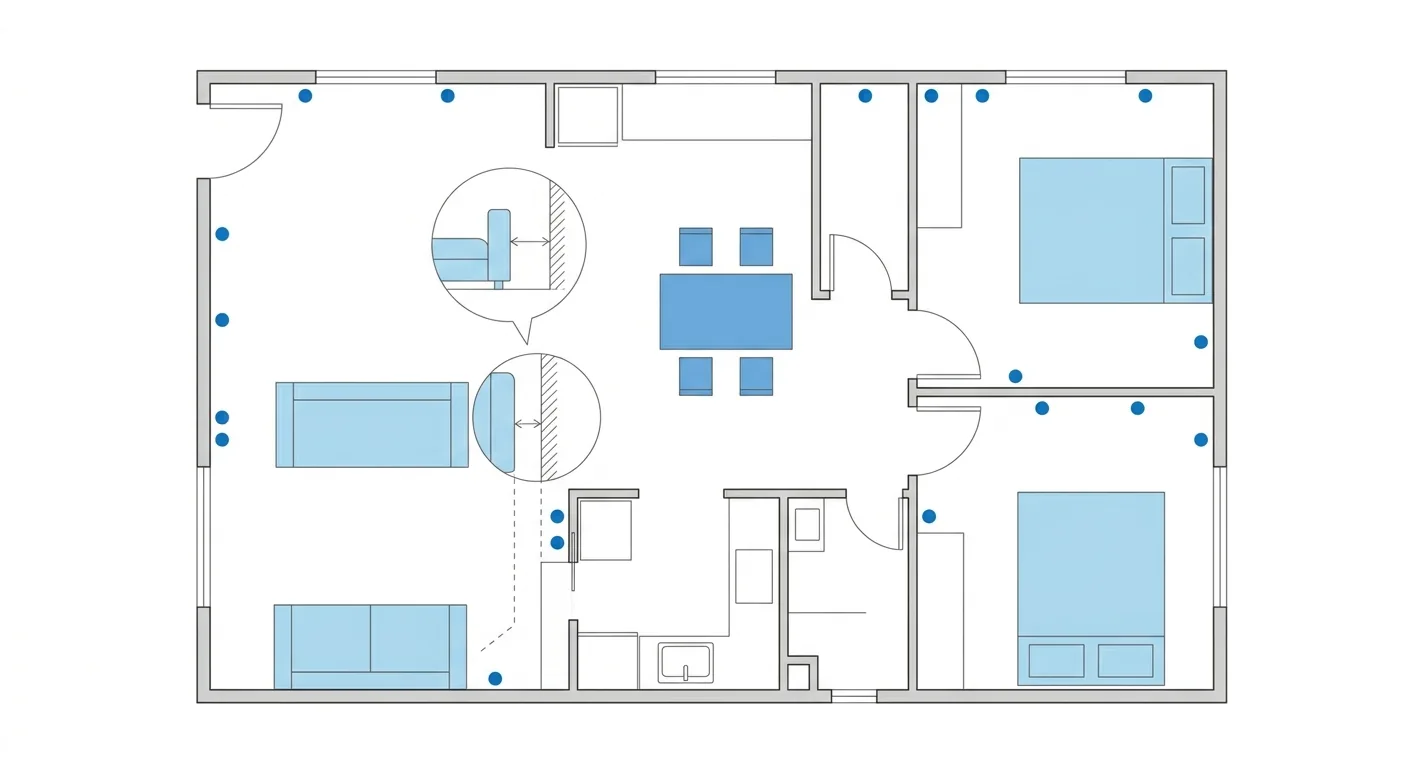
Caption: Place furniture at 1:1 scale first → check where the walkway and dimensions bottleneck → work backward to which wall truly needs to move and which outlet truly needs adding → file only the necessary items
Back to the question we started with — does customization actually save money? Now you have the answer: whether it saves money depends entirely on whether you've seen the real dimensions clearly first.
Here's the summary in three lines:
Customization isn't about spending more, and it isn't a contest to save the most either. It's a game of precision — putting every dollar toward what genuinely affects how livable your home is. Rather than guessing at the floor plan, place your furniture into the layout and see it clearly first, then decide what to change.
There's no nationwide standard price for customization. Market rates for the actual work run roughly NT$4,000–12,000 per ping, with a consultation fee of about NT$1,000–3,000 per ping (HouseFeel). But the actual amount varies a lot by developer, floor area, and the specific items changed, and depends on the net after offsetting surcharges against credits — always check against your developer's quote, and don't anchor on someone else's numbers.
The surcharge portion is paid by the homeowner, typically calculated as "materials + labor" plus a management fee; developers may also charge a construction management fee for supervision and drawing review, with the rate set by the developer — confirm it before signing. Separate the labor cost from the management fee in your quote to see exactly where the money goes.
The forum consensus is that electrical, outlet, and water supply/drainage positions are the most worth locking in during customization, since they're the hardest to change afterward. Purely cosmetic material upgrades are often considered more cost-effective to have done by your own crew after handover. That said, this is personal experience, not a universal rule — every developer's scope and pricing differ, so judge based on your own project.
Usually not as much as you'd expect. Canceling something the developer was originally going to do generates a credit, but developers mostly only refund the wholesale price of materials, not labor — "material refund, no labor refund" (Chisun Interior Design). If the developer's original material grade was already low, the credit amount won't be much either. Always confirm the credit basis item by item before signing your change order.
Arrange furniture in your space at true 1:1 scale with Roomfit and see exactly how much walkway is left — no install, no sign-up.
Start with Roomfit →